If you’ve walked a grocery store’s kitchen aisle in the last decade, you’ve likely noticed stainless steel drinkware lining the shelves next to plastic bottles and glass cups. As a supplier in this space, I hear the same question every week from both first-time buyers and long-time customers: “Are there any health risks with stainless steel drinkware?” It’s a fair concern—health is the number one priority for anyone choosing what to put their drinks in, and with so much conflicting information online, it’s easy to get overwhelmed. I spend my days working with this material, testing it, learning its ins and outs, so I wanted to break this down clearly, separate fact from hype, and share what I tell every customer who reaches out. Stainless Steel Drinkware
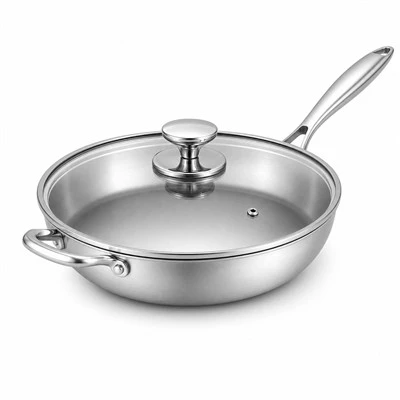
First, let’s start with the basics: what is stainless steel, anyway? It’s an alloy made of iron, chromium, nickel, and other elements added in precise percentages to prevent rust and corrosion. The specific grade that’s used for food and beverage products is 18/8 or 304 stainless steel—meaning it’s 18% chromium (for durability and resistance to stains) and 8% nickel (for strength and smoothness). A higher grade, sometimes called 18/10, has a slightly higher nickel content, but both are standard for drinkware that comes into contact with what you consume.
The most common myth I encounter is that stainless steel leaches harmful chemicals into drinks, like plastic sometimes does with BPA. Let’s address that first. Bisphenol A (BPA) is a chemical used in some old plastic products to make them shatter-resistant, and it can leach into food and drinks when exposed to heat. But stainless steel is different: it’s inert under normal use, meaning it doesn’t break down easily or release substances into your beverage. The only time leaching becomes a concern is if the stainless steel is of low quality, not food-grade, or if it’s damaged. Cheap, non-food-grade stainless steel (sometimes called 201 or 400 series, which are sometimes used in low-cost imports) can have higher levels of nickel or other elements that can leach, especially if exposed to acidic drinks like citrus juice or soda over long periods. But that’s not a flaw in stainless steel itself—it’s a problem with choosing the right, tested material.
I remember a few years ago, a customer came to me with a story about their old stainless steel tumbler leaving a metallic aftertaste in their coffee. Turns out, they’d bought a very inexpensive tumbler from a big box store, not knowing it wasn’t food-grade. When we tested a sample of that product in our lab, we found it was made with 400 series stainless steel, which has less chromium and more iron, so over time, it could corrode slightly and leave a metallic tang. That’s a perfect example of how quality matters more than the material. Our product line only uses 18/8 and 18/10 food-grade stainless steel, and every batch goes through independent testing to confirm that levels of any leachable elements are well below the safety limits set by global regulatory bodies.
Speaking of regulatory bodies, let’s talk about the standards that guide us as suppliers. In the U.S., the Food and Drug Administration (FDA) sets strict rules for food-contact materials, including stainless steel. The FDA requires that food-grade stainless steel doesn’t leach contaminants in amounts that pose a health risk, even when used repeatedly. Similar standards exist in the EU (through the European Food Safety Authority, EFSA), Canada, and many other countries. All of our products meet or exceed these standards, which is non-negotiable for our business. We even post test results for every batch on our product pages, so customers can see for themselves that there’s no excessive leaching of nickel, chromium, or other elements.
Another concern I hear about is acidic drinks—coffee, citrus tea, soda, sports drinks. Some people worry that acid can eat away at stainless steel over time, leading to leaching. This is where a little science helps. Stainless steel’s chromium content creates a thin, protective layer on the surface of the metal (called a passive layer) that repels corrosion, even from acidic liquids. This layer self-heals if it’s scratched or lightly damaged, as long as there’s enough chromium present. Food-grade stainless steel has exactly the right chromium content to maintain this layer under normal use, even with regular exposure to acidic drinks. The only way this layer breaks down is if the stainless steel is low-quality, poorly manufactured, or if it’s subjected to extreme conditions that aren’t common in daily use—like being left in a vat of strong acid for weeks, which no one does with their tumbler.
That’s not to say there are no edge cases to consider. Let’s talk about damage: if your stainless steel drinkware gets a deep scratch, dent, or chipped interior, that can compromise the passive layer, making it more vulnerable to corrosion over time. A scratched tumbler might start to develop small spots or a metallic aftertaste, which is a sign that it’s time to replace it. That’s true for any drinkware, though—scratching a glass cup would also make it more likely to break, and a scratch in a plastic bottle can harbor bacteria. We always tell customers to inspect their drinkware regularly; if it’s damaged, it’s not worth the risk, regardless of the material.
Another point people ask about: double-walled vs. single-walled stainless steel. Double-walled tumblers and bottles are insulated, so they keep drinks cold for hours or hot for hours, which is why they’re so popular. The insulation creates a vacuum between two layers of stainless steel, and the same food-grade material is used for both layers. There’s no additional coating or chemical in the vacuum space—just air, which is sealed during manufacturing. Some suppliers have used to use a copper layer in the vacuum for better insulation, but even that’s safe, as it’s not in contact with your drink. Our double-walled products use all stainless steel in the contact areas, with the vacuum space sealed without any harmful substances, and they still meet all safety standards.
I’ve also seen misinformation online linking stainless steel to higher levels of nickel exposure. Nickel is a necessary mineral in small amounts, but some people have a nickel allergy, which can cause skin rashes or, in rare cases, digestive issues if ingested in large quantities. If you have a known nickel allergy, it’s understandable to be concerned. The good news is that food-grade stainless steel used for drinkware has a nickel content that’s well below the threshold that typically triggers allergic reactions, even with regular use. That said, if you have a severe nickel allergy, you might want to opt for glass or another material, but for most people, stainless steel is not a significant source of nickel exposure. I’ve worked with hundreds of customers with nickel allergies who use our stainless steel drinkware without any issues, and our test results confirm that leached nickel levels are far below the amount that would cause a reaction.
Let’s also compare stainless steel to other common drinkware materials to put the risks in perspective. Plastic drinkware, especially cheap, single-use bottles, can leach BPA, phthalates, and other chemicals when exposed to heat, sunlight, or repeated use—studies have shown that these chemicals can disrupt hormones in some cases. Glass, while inert, is fragile and can break easily, leading to cuts or broken glass in drinks. Stainless steel, when made correctly, is durable, shatter-proof, and inert, making it a much safer choice than many alternatives for daily use.
As a supplier, I’m also committed to transparency with my customers. That’s why I don’t just sell product—I share what I know about material quality, maintenance, and safety. A lot of health concerns around stainless steel come from choosing the wrong product: buying a knockoff tumbler from an unregulated seller that cuts corners on materials, manufacturing, and testing. That’s why when a customer contacts me, I never push a sale without explaining how to choose the right product. I tell them to look for labels that say “food-grade stainless steel 18/8” or “18/10,” to buy from reputable suppliers that provide test results, and to avoid products that have a thin, unclear interior coating (some cheaper products use paint or other coatings that can peel over time, which is a safety risk).
I also share tips for maintaining stainless steel drinkware to keep it safe for longer. Hand-washing is gentle on the surface and avoids harsh dishwasher detergents that can sometimes break down the passive layer over time, though our products are dishwasher-safe for regular use. Avoid using abrasive scrubbers like steel wool, which can scratch the surface and damage the protective layer. If you get a stain in your tumbler, a solution of baking soda and warm water will clean it without harsh chemicals, and avoid leaving acidic drinks or liquids like soda in the tumbler for more than a few hours, which can help preserve the metal’s integrity.
Over the years, I’ve seen the demand for stainless steel drinkware grow because people are looking for durable, reusable, and safe alternatives to single-use plastic. The misconceptions around health risks have slowed some people down, but when I explain the facts, almost all of them are relieved. The key takeaway is that stainless steel itself, when it’s food-grade and properly manufactured, has minimal health risks. The risks are almost always tied to low-quality, non-food-grade material or poor maintenance.
If you’re in the market for stainless steel drinkware and want to make sure you’re getting a product that’s safe, durable, and meets your needs, don’t hesitate to reach out. Whether you’re a parent looking for kids’ water bottles, an office manager needing bulk tumblers for your team, or a retailer looking to add high-quality stainless steel products to your line, we can help you find the right options, share our test data, and answer any questions you have about material safety, use, and maintenance. We take every step to ensure our products are not only good for the planet (as a reusable alternative to single-use items) but also good for your health.
Whether you’re a first-time buyer or looking to restock, we’re here to walk you through every detail, because your health and satisfaction matter as much to us as the quality of our products. Don’t let misinformation hold you back from choosing a drinkware solution that’s safe, long-lasting, and eco-friendly—get in touch to discuss your needs, and we’ll help you find the perfect stainless steel drinkware for your use.
Stainless Steel Drinkware References
- U.S. Food and Drug Administration. (2022). Food Contact Materials: Stainless Steel.
- European Food Safety Authority. (2021). Safety Assessment of Stainless Steel for Food Contact Materials.
- National Toxicology Program. (2020). Evaluation of Nickel Leaching from Common Food Contact Materials.
- World Health Organization. (2019). Reusable Food and Beverage Containers: Health and Environmental Impacts.
- Journal of Food Protection. (2018). Corrosion Resistance of Food-Grade Stainless Steel in Acidic Beverages.
Shaoxing Dongke Electric Heating Technology Co., Ltd.
With abundant experience, we are one of the most professional stainless steel drinkware manufacturers and suppliers in China. We warmly welcome you to wholesale bulk customized stainless steel drinkware from our factory. If you have any enquiry about quotation, please feel free to email us.
Address: Room 209, North of Sanjiang Road (Workshop No. 4), Mashan Subdistrict, Yuecheng District, Shaoxing City, Zhejiang Province
E-mail: Salesengineer@marscoat.com
WebSite: https://www.marscoat-technology.com/
