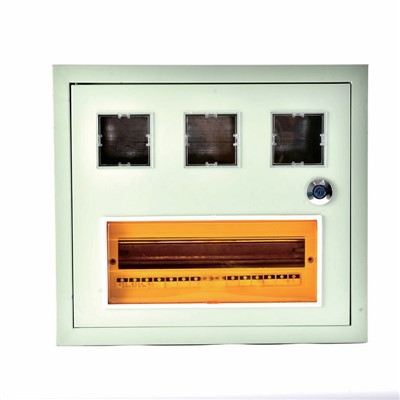
As a supplier of plastic waterproof distribution boxes, I often get asked about how to ensure the tightness of these crucial electrical components. A waterproof distribution box’s tightness is not just about keeping water out; it’s about protecting the electrical equipment inside from various environmental factors such as dust, humidity, and even chemical substances. In this blog, I will share some key strategies and considerations based on our years of experience in the industry. Plastic Waterproof Distrbution Box
Understanding the Importance of Tightness
Before delving into the methods of ensuring tightness, it’s essential to understand why it matters so much. Electrical components are sensitive to moisture and contaminants. Water ingress can lead to short – circuits, corrosion, and ultimately, the failure of the electrical system. Dust and other particles can also cause abrasion and interfere with the proper functioning of switches and connectors. A tight plastic waterproof distribution box provides a reliable barrier, extending the lifespan of the electrical equipment and reducing maintenance costs.
Material Selection
The choice of plastic material is the first step in ensuring tightness. High – quality plastics with excellent chemical resistance and mechanical properties are crucial. Polycarbonate (PC), for example, is a popular choice. It has high impact strength, good heat resistance, and excellent UV stability. PC can withstand harsh environmental conditions without cracking or degrading, which helps maintain the integrity of the box.
Another option is acrylonitrile butadiene styrene (ABS). ABS is known for its good toughness and ease of processing. It can be molded into complex shapes, allowing for more customized designs. However, it may not be as resistant to UV rays as PC, so additional UV protection may be required if the box will be exposed to sunlight for extended periods.
When selecting the plastic material, it’s also important to consider its compatibility with the sealing materials. The plastic and the sealant should work together to create a tight bond. For example, some sealants may react with certain plastics, causing the seal to break down over time.
Design Considerations
The design of the plastic waterproof distribution box plays a vital role in its tightness. A well – designed box should have a proper sealing mechanism. One common design is the use of a gasket. Gaskets are usually made of rubber or silicone and are placed between the box cover and the base. When the cover is closed tightly, the gasket is compressed, creating a seal that prevents water and dust from entering.
The shape of the box also affects its tightness. Boxes with smooth, rounded edges are generally better than those with sharp corners. Sharp corners can create stress concentrations, which may cause the plastic to crack over time. Additionally, the box should have proper drainage holes. These holes are designed to allow any water that may have entered the box to drain out, rather than accumulating inside.
The size and location of the cable entries are also important design factors. Cable entries should be properly sealed to prevent water from wicking into the box along the cables. Cable glands, which are used to seal the cables where they enter the box, come in different sizes and types. They should be selected based on the diameter of the cables and the level of protection required.
Manufacturing Process
The manufacturing process of the plastic waterproof distribution box can significantly impact its tightness. Injection molding is the most common method for producing plastic boxes. During injection molding, the plastic material is melted and injected into a mold under high pressure. The quality of the injection molding process is crucial, as any defects such as air bubbles or incomplete filling can compromise the tightness of the box.
The temperature and pressure during the injection molding process need to be carefully controlled. Incorrect temperature can cause the plastic to degrade or not flow properly, while improper pressure can lead to uneven wall thickness or flash. After the box is molded, it may undergo a secondary process such as trimming to remove any excess plastic. This process should also be carried out carefully to avoid damaging the box.
The assembly of the box is another critical step. The box cover and the base should fit together precisely. Any misalignment can prevent the gasket from creating a proper seal. During assembly, workers should ensure that the gasket is clean and free of any debris. Lubricants may be used sparingly on the gasket to facilitate proper compression, but excessive use can cause the gasket to lose its sealing properties.
Quality Control
Quality control is an ongoing process to ensure the tightness of plastic waterproof distribution boxes. At our company, we have a multi – step quality control system. First, we conduct raw material inspections. The plastic granules and other components such as gaskets and cable glands are thoroughly checked for quality and compliance with our specifications.
During the manufacturing process, we use in – process inspections. This includes checking the dimensions of the boxes, the quality of the injection molding, and the integrity of the seals. Automated inspection machines may be used to detect any surface defects, and sample boxes are often tested for tightness using pressure testing or immersion testing.
After the boxes are assembled, they undergo final inspections. Each box is visually inspected for any visible defects, and then a random sample is selected for more comprehensive testing. We use standards such as IP (Ingress Protection) ratings to measure the degree of protection provided by the box. For example, an IP65 rating means that the box is dust – tight and protected against low – pressure water jets from any direction.
Maintenance and Installation
Proper installation and maintenance are also crucial for ensuring the long – term tightness of plastic waterproof distribution boxes. During installation, the box should be mounted on a flat and stable surface. Any unevenness can cause the box to deform, which may break the seal. The bolts or fasteners used to secure the cover should be tightened evenly to ensure uniform compression of the gasket.
Regular maintenance is necessary to keep the box in good condition. The box should be inspected periodically for any signs of damage, such as cracks or deterioration of the gasket. If any damage is found, the damaged parts should be replaced immediately. The gasket may need to be cleaned and lubricated occasionally to maintain its elasticity.
Conclusion
Ensuring the tightness of a plastic waterproof distribution box requires a comprehensive approach that includes material selection, design considerations, manufacturing processes, quality control, and proper installation and maintenance. By paying attention to these aspects, we can provide our customers with high – quality distribution boxes that offer reliable protection for their electrical systems.
If you are in need of plastic waterproof distribution boxes with excellent tightness, we are here to help. Our team of experts has extensive knowledge and experience in the industry, and we are committed to providing you with the best products and services. Contact us for a detailed discussion on your requirements and to start a procurement negotiation. We look forward to working with you.
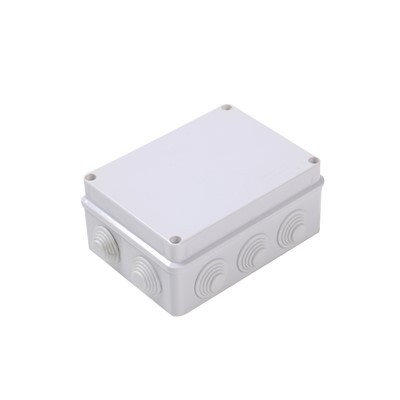
ABS Plastic Junction Box References
- Handbook of Plastics, Elastomers, and Composites by Charles A. Harper
- Electrical Installation Guide by Schneider Electric
- ISO 20653:2013 Road vehicles — Protection levels (IP code) for electrical equipment against foreign objects, water and access
Shandong Qinghua Yike Electric Co., Ltd.
As one of the most experienced plastic waterproof distrbution box manufacturers in China, we also support customized service. We warmly welcome you to buy durable plastic waterproof distrbution box for sale here from our factory. If you have any enquiry about cooperation, please feel free to email us.
Address: No. 378 Taozhuang Village, Zaoyuan Town, Lanshan District, Linyi City, Shandong Province
E-mail: admin@sd-qhyk.com
WebSite: https://www.qhecobox.com/
