If you’ve walked down any grocery store aisle in the last five years, you’ve seen the shift: more and more brands are swapping single-use plastic bottles for aluminum cans, then turning to plant-based packaging as consumers demand less waste. As a PET can supplier, I’ve been fielding a lot of questions lately about biodegradable PET cans—questions from brand owners eager to hit net-zero targets, from retailers looking to cut their plastic footprint, and even from customers who’ve heard “biodegradable” and assumed it’s just a fix for every packaging problem. PET Can

Let me start with something I tell every client who asks: we’ve run our own small trial line for biodegradable PET cans for 18 months, and we’ve nailed some parts, but we’re still fighting to solve the core challenges that make this product far harder to scale than it sounds. The science behind “biodegradable PET” isn’t new, but applying it to a rigid, pressure-bearing can that has to hold soda, beer, or even liquid cleaners for six months before use? That’s where the wheels start to fall off.
First, let’s get one thing straight: not all biodegradable PET is created equal. Traditional PET is polyethylene terephthalate, the same stuff that makes soda bottles and most plastic packaging. For it to biodegrade, you need to change its molecular structure so microbes can break it down, right? The most common approach is adding a pro-oxidant additive—something that makes the PET oxidize in sunlight or heat, breaking long polymer chains into smaller pieces that bacteria and fungi can eat. On paper, this works: tests in industrial compost facilities show these modified PET can break down in 180 days, compared to 450+ years for regular PET. But here’s the catch: that pro-oxidant doesn’t care if it breaks down in a compost pile or on a store shelf.
Last year, we supplied a test run of 5,000 biodegradable PET cans to a craft soda brand for a launch in California. Within two weeks, their regional distributor called in a panic: half the pallets of cans in their warehouse were cloudy, and some were starting to feel brittle around the seams. We traced it back to the pro-oxidant additive we’d used in that trial batch. The cans were sitting in a 75-degree warehouse in the Central Valley, not the cool, controlled space we’d stored them in during our internal tests. The heat sped up the oxidation process, so the cans were breaking down before they even got filled. Brand owners didn’t just lose money on that batch—they lost trust, and that’s a hard thing to rebuild.
That’s the first big challenge: balancing shelf stability with biodegradability. For a standard PET can, we’re working with a material that’s meant to last. It has to resist oxygen, keep carbonation in soda, keep light out, and hold up during shipping and storage. When you add pro-oxidants, you’re basically priming the plastic to break down, but you have to time that breakdown to happen only after the can has served its purpose. That’s not a simple adjustment. We’ve experimented with different additive levels, with coating the inside of the can to slow oxidation, with even blending in small amounts of biopolymers like PLA—but every tweak has a tradeoff. Add too much barrier coating, and the microbes can’t reach the polymer chains to break it down. Add too little, and the can fails before it hits the shelf.
Then there’s the issue of mechanical strength, especially around the can’s most critical part: the end. The lid of a PET can is crimped on, has a pull tab, and has to seal tight enough to hold pressure—especially for carbonated drinks. Regular PET cans have a tensile strength that’s been refined over decades; we know exactly how thin we can make the wall, how strong the crimp needs to be, what temperature it can handle. When we switch to biodegradable PET, we’re modifying the polymer structure, and that changes its tensile properties. We ran drop tests on our trial cans last month; a standard 12-oz PET can will bounce and roll without denting even when dropped from three feet. Our biodegradable version? One out of every eight cans cracked on impact, and that’s a problem—no brand wants to ship a can that leaks before it even gets to the store.
We’ve also run crimping tests, and the biodegradable PET is more prone to cracking along the seam where the lid attaches. The manufacturing equipment we use to crimp cans is calibrated for regular PET, so when we run biodegradable material, we have to slow down the line, adjust the pressure on the crimpers, and even replace some parts of the machine. That means lower output per hour, higher machine maintenance, and more waste during production—all of which add up to a product that’s 20-30% more expensive than regular PET cans right now. For small brands that operate on thin margins, that’s a non-starter.
Another challenge that almost no one talks about: compatibility with fill processes and food safety. PET cans are used for everything from sparkling water to craft beer, and each brand has their own fill specifications. We had a client last year who wanted biodegradable PET cans for their cold brew coffee, which has a slightly acidic pH. In small-scale tests, the biodegradable PET worked fine, but when they filled 10,000 cans on their commercial line, the cans started to absorb small amounts of the coffee’s acids. Over a two-week period, the taste of the coffee changed—something we didn’t catch in our initial tests because we’d only tested with distilled water, not actual product. Food safety is non-negotiable here; we can’t supply a can that leaches chemicals or changes the taste of what’s inside. We’ve had to spend months working with food scientists to adjust the inside coatings so they’re compatible with a wider range of beverages, and we’re still not where we want to be.
Then there’s the end-of-life piece, which is part of the confusion around “biodegradable” packaging. A lot of consumers think a biodegradable PET can will break down in their backyard compost, or even in a landfill. That’s not the case. Industrial compost facilities require specific conditions: high heat (130-170 degrees Fahrenheit), consistent moisture, and the right mix of microbes. Most landfills are compacted and oxygen-poor, so even biodegradable plastics just sit there, same as regular PET. Backyard compost? The temperature rarely gets high enough, so the can will break down over decades, not months. We’ve had clients get pushback from customers who thought our biodegradable cans would decompose in their home gardens, and that’s a conversation we can’t win—especially when the science doesn’t support it. We’ve had to become educators, too, and that’s an extra layer of work that most suppliers don’t prepare for.
I’m not saying it’s impossible, though. We’re still investing in this, because the demand is real. Last quarter, we got three separate inquiries from major beverage brands that want to switch to biodegradable PET cans for their national rollouts. We’re working with a new additive manufacturer that’s developed a pro-oxidant that triggers degradation only when exposed to industrial compost conditions, not regular room temperature. We’ve redesigned the can’s wall thickness and the crimping process to improve tensile strength, and we’re testing new food-grade coatings that are compatible with 90% of the common beverages we work with.
But here’s the thing: we’re not there yet. We can make a biodegradable PET can that works in small batches, in controlled conditions, for specific products. We can’t yet make one that works for every brand, every fill line, every supply chain, and every end-of-life scenario at a price that makes sense for consumers. That’s the hard part—scaling a product that’s still in the trial stage, without cutting corners on safety, performance, or sustainability.
A lot of people in the packaging space act like biodegradable is a magic bullet. It’s not. It’s another material that has its own set of tradeoffs, same as aluminum, same as glass, same as regular PET. As a supplier, I can’t just sell you a “green” product and walk away. I have to be honest about what it can do, what it can’t do, and what it will cost—now and in the future.
If you’re a brand owner looking to make the switch to more sustainable packaging, I’d encourage you to ask the hard questions. Don’t just take “biodegradable” at face value. Ask about shelf stability: how long will the cans last in a warehouse at 75 degrees? Ask about mechanical strength: have they passed drop and crimp tests for your product? Ask about food safety: have they been tested with your specific beverage? And ask about end-of-life: what facilities can actually process these cans, and will your customers understand how to dispose of them correctly?
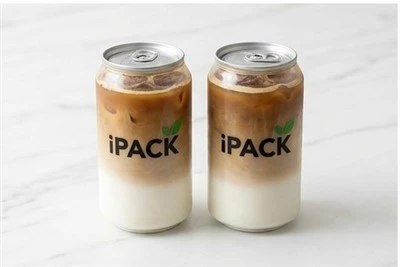
We’re still solving these problems, but we’re making progress. And if you’re looking for a supplier that’s willing to work through the challenges with you, that’s transparent about the hurdles, not just the hype, let’s connect. We can run small trials, adjust the material to fit your needs, and build a solution that actually works for your brand and for the planet.
Paper Cup References
- European Bioplastics. (2022). Biodegradable Polymers: Types, Applications and End-of-Life Considerations.
- Plastic Industry Association. (2021). Performance Characteristics of Modified PET for Biodegradable Packaging.
- Food and Drug Administration. (2020). Food Contact Substances for Biodegradable Plastic Packaging.
- Journal of Packaging Technology and Science. (2023). Mechanical Properties of Rigid Biodegradable PET Containers.
- Composting Council. (2022). Industrial Compostability Standards for Plastic Packaging.
Wuhan Xinyongan Industry and Trade Co., Ltd.
Address: No. 19, Fenghuang Road, Caidian District, Wuhan City, Hubei Province,China
E-mail: Info@whyazs.com
WebSite: https://www.ipackpartner.com/
