If you’re in the pharma packaging game, you know how much rides on that tiny carton at the end of production. I’ve been selling drug cartoning machines for over a decade now, and I can’t tell you how many times I’ve heard clients say, “Why drop that kind of cash on a high-speed machine when the manual one works?” Let me break it down straight—no sales fluff, no fancy jargon, just real stuff I see every day that makes a high-speed drug cartoning machine a total game-changer for your bottom line, your team, and your compliance. Drug Cartoning Machine
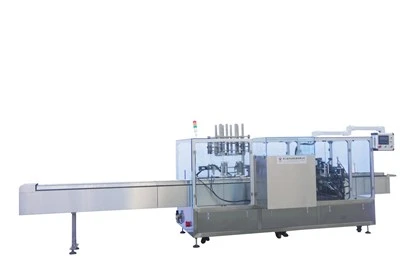
First off, let’s talk speed, because that’s the obvious one, but it’s not just “faster” — it’s actually reliable faster. A mid-tier high-speed cartoner? We’re talking 300 to 600 cartons per minute, depending on the model, vs. a semi-automatic or manual machine that cranks out maybe 60 to 120 per minute, max. But here’s the thing: that speed doesn’t drop off when you run a full shift. Manual cartoning wears your operator out by the third hour, so they start skipping steps, fumbling cartons, and taking more breaks. A high-speed machine runs at a steady clip all day, every day, as long as you maintain it and load the materials right. For a pharma manufacturer cranking out, say, over-the-counter allergy pills or prescription antibiotics, that extra throughput adds up big. Let me put a number to it: if you need 1 million cartons a month, a manual line might take 12 full operators to hit that, but a high-speed line could do it with 3 or 4 people, and those folks aren’t just folding boxes all day—they’re keeping an eye on quality and troubleshooting minor issues.
Next, accuracy and consistency, which is make-or-break in pharma. You can’t afford misprinted lot numbers, incorrect dosage info, missing inserts, or cartons that don’t close right. Manual processes rely on human eyes and hands, and even the best packer will miss a barcode smudge or forget to tuck in a patient leaflet every now and then. We’re not talking about a “minor mistake” here—this is regulatory stuff. The FDA and other global health agencies (like EMA, Health Canada) have super strict rules about packaging traceability, content verification, and lot tracking. A high-speed cartoner is set up with vision systems and checkweighters that scan every carton before it leaves the line: it confirms the barcode is scannable, that all required inserts are inside, that the lot number and expiration date are printed correctly, and even that the carton itself is the right size and shape. I had a client last year who was getting hit with $50k fines for misprinted cartons from manual packing—switched to a high-speed machine, and they haven’t had a single compliance issue in 18 months. That’s not just efficiency; that’s avoiding costly headaches that could shut your whole production down.
Then there’s labor, which is one of the biggest expenses in manufacturing right now. Everyone’s dealing with tight labor pools, high turnover, and rising wages. Manual cartoning is brutal work—repetitive motion injuries are common, especially with people folding cartons 8 hours a day. High-speed cartoning machines cut down on how many operators you need, and the roles that are left are way more skilled and less monotonous. Instead of standing at a table folding boxes, your team is setting up jobs, monitoring the line, fixing jams, and doing quality checks—stuff that’s more engaging and less likely to make employees burn out. I worked with a small pharma startup that was using 8 part-time packers for their new vitamin line; after switching to a mid-speed cartoner, they cut that to 2 full-time techs, saved about $120k a year in labor costs, and their employee retention went up 70% because the work was way less tedious.
Flexibility might not be the first thing you think of when someone says “high-speed,” but modern high-speed cartoners are way more versatile than old clunky models. You don’t have to buy a new machine every time you launch a new product or switch up your packaging. A good high-speed unit can handle different carton sizes (from small blister packs to larger bottles), different insert types (patient leaflets, pamphlets, even sample vials), and different carton styles (straight tuck, lock bottom, reverse tuck) with quick changeover tools. Most of our machines take 15 to 30 minutes to switch from, say, a 10-count antibiotic blister carton to a 30-count vitamin bottle carton—no special tools, no waiting for a technician to come in. If you’re a manufacturer that does short runs or frequent product launches, that flexibility is huge. I had a client who used to spend 2 days between runs adjusting their old semi-automatic machine; now they switch runs in 20 minutes, so they can take on smaller orders they would’ve turned down before, which adds another revenue stream.
Waste reduction is another big one that people don’t always notice right away. Manual packing leads to a lot of wasted cartons, inserts, and product because of human error. A packer might drop a carton that can’t be used, tear an insert, or accidentally seal a carton with no product inside. High-speed cartoners are calibrated to use exactly the amount of material you need—they pull the right carton size, fold it correctly, insert the right number of leaflets, and only use product that’s verified to be there. One client told me their waste dropped by 18% after switching to our high-speed machine—saving them over $40k a year in packaging and product that would’ve been tossed. That’s not just good for your wallet; it’s also better for the environment, which is a big talking point for pharma companies these days, especially when marketing to eco-conscious customers.
Reliability and uptime are non-negotiable when you’re running a production line. Old manual or semi-automatic machines break down a lot, or have small issues that shut the line down for hours. High-speed cartoners are built with industrial-grade parts, and they have built-in monitoring systems that alert you if something’s off before it becomes a full jam. Most of our machines have mean time between failures (MTBF) of over 1,000 hours, which is way higher than the semi-automatic models a lot of companies use. We also offer 24/7 support and regular maintenance plans, so if something does go wrong, we’re there to fix it fast. I had a client last year who had a manual line go down for 12 hours because a packer messed up a carton feed; with a high-speed machine, that same issue would’ve triggered an alert and stopped the line before it jammed, so downtime would’ve been 10 minutes max.
And let’s talk about data—you can’t ignore it in manufacturing these days. High-speed drug cartoning machines collect tons of data automatically: how many cartons they’ve run, lot numbers, production times, error rates. You can integrate that data straight into your ERP system, so you can track production in real time, spot bottlenecks, and generate compliance reports way faster than doing it manually. Manual tracking requires people to log every carton, every lot, every error, which is not only time-consuming but also prone to human error. With a high-speed machine, your data is accurate, up-to-date, and ready for audits whenever the FDA or another agency comes knocking. That’s not just convenience; that’s saving your team weeks of work every month on paperwork and reports.
Look, I get it—investing in a high-speed drug cartoning machine is a big decision. It’s not like buying a box of pens. There’s upfront cost, there’s training your team, there’s adjusting your production line. But when you add up the savings from labor, waste, and fines, and the extra revenue from faster throughput and flexible runs, it pays for itself in way less time than you think. I’ve seen clients make back their investment in 12 to 18 months, depending on their volume. And it’s not just for big pharma companies—we’ve sold machines to small startups and mid-sized manufacturers too, and they all see the same benefits.
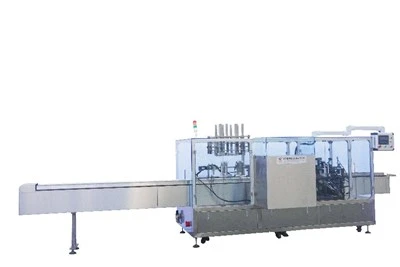
If you’re tired of dealing with constant packing errors, high labor costs, compliance headaches, and slow production, a high-speed cartoner is the solution. I’d love to chat more about what your specific needs are—whether you’re running a small line for prescription drugs or a bigger line for over-the-counter meds, we can help you find a machine that fits your budget and your goals. Just reach out, and we can walk through all the details together.
Automatic Bagging Machine References
- U.S. Food and Drug Administration. (2022). Current Good Manufacturing Practice (CGMP) for Finished Pharmaceuticals.
- European Medicines Agency. (2021). Guideline on Good Manufacturing Practice (GMP).
- International Society for Pharmaceutical Engineering. (2023). High-Speed Packaging in Pharmaceutical Manufacturing.
- Occupational Safety and Health Administration. (2022). Repetitive Motion Injuries in Manufacturing Workplaces.
Zhejiang Tuoyu Packaging Machinery Co., Ltd.
Zhejiang Tuoyu Packaging Machinery Co., Ltd. is one of the most professional drug cartoning machine manufacturers and suppliers in China. With abundant experience, we warmly welcome you to wholesale durable drug cartoning machine made in China here from our factory. Good service and quality products are available.
Address: Workshop No.12, No.11-19, Xinbin Road, Binhai New Area, Pingyang County, Wenzhou City
E-mail: 15868789201@163.com
WebSite: https://www.tuoyupack.com/
