Hey there, Bulldozer
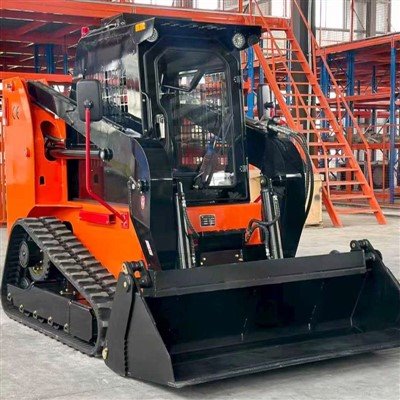
Let’s cut to the chase—if you’ve ever watched a bulldozer plow through a pile of dirt, level a construction site, or push a ton of debris like it’s nothing, you’ve probably thought, “Wait, how the hell does someone even learn to do that?” I get it. I’m part of a bulldozer supply company, so I talk to guys and gals in construction, landscaping, and even demolition all the time who ask me this exact question. They think it’s just “sit, push a lever, go.” Nah, if that were the case, we’d have a lot more broken machines, way more unsafe worksites, and a whole lot of frustrated crew leads.
So, what actually goes into training to drive a bulldozer? It’s not just hopping in and going. It’s a mix of classroom work, hands-on practice, safety drills, and even some on-the-job mentorship. And yeah, there’s a reason it’s not something you pick up in a weekend side gig. Let’s break it down like we’re sitting on a worksite lunch break (no boring jargon, promise).
First off, before you even touch a bulldozer’s controls, you need to nail the basics. That starts with general heavy equipment safety, right? OSHA (the Occupational Safety and Health Administration, for anyone not in the US) has strict rules here, and most countries have similar bodies. You can’t just walk onto a worksite with a bulldozer without knowing how to spot hazards, use personal protective equipment (PPE), communicate with your crew, and handle emergency situations. Like, do you know what to do if the machine starts tipping? Or how to signal to a spotter so you don’t run over a toolbox (or worse, a coworker)? That’s not stuff you learn from a YouTube video. A lot of formal training programs start with 10 to 20 hours of classroom time covering these fundamentals, plus learning the anatomy of a bulldozer. Wait, anatomy? Yeah—you need to know the difference between the track tensioner, the blade lift cylinders, the final drive, and all the levers that control them. I’ve seen new guys hop in, yank the wrong lever, and bend a blade so bad it cost a company $10k to fix. That’s avoidable if you know your way around the machine first.
Next, once you get the general safety and machine basics down, it’s time to get hands-on. But not just “drive it around” hands-on—we’re talking slow, controlled practice. Most training programs use smaller, older bulldozers at first (not the big 50-ton monsters we supply for major highways) because they’re easier to maneuver and less scary for new learners. The first real skill you master? Maneuvering in tight spaces. Bulldozers are not like pickup trucks—they’re huge, have blind spots so big you can’t see a person standing 10 feet away from the side, and turning isn’t as simple as twisting the wheel. It’s all about the tracks: to turn left, you slow down the left track and speed up the right, or vice versa. That takes muscle memory, and it’s not something you pick up in an hour. New trainees spend hours just moving the bulldozer forward, backward, and turning in small circles before they even touch the blade.
Once they’ve got the movement down, it’s blade control. This is where the actual “work” happens. Like, leveling a site so a foundation can be poured, pushing dirt from one pile to another, grading a road, or clearing brush. Blade control is all about precision. You have to learn how much to lift, lower, angle, or tilt the blade—even a tiny adjustment can make a huge difference. For example, if you’re grading a parking lot, you can’t have dips or hills that’ll make water pool later. New trainees practice this on flat, empty lots first, not active worksites where mistakes cost time and money. I’ve heard of training programs where you spend 20+ hours just practicing blade control on a level surface, moving small amounts of dirt, and getting the surface as smooth as possible. It’s tedious, but it’s necessary.
Then there’s more advanced stuff, depending on what you’ll be using the bulldozer for. Some people need to learn how to do “dozing in slots” for digging trenches, or how to push heavy materials like demolition debris, or even how to operate a bulldozer with an attachment like a ripper (that’s the metal claw on the back that breaks up hard ground or asphalt). Rippers are tricky—you have to control how deep you sink them, and how much downward pressure to apply so you don’t damage the machine or the ground below. For landscaping guys, they might need to learn how to shape land for ponds or create slopes with a specific angle, which requires even more precision. For demolition crews, they need to know how to avoid falling debris, stabilize the machine near collapsing structures, and push wreckage without it tipping over.
And let’s not forget about safety-specific training that’s unique to bulldozers. Like, how to refuel the machine without spilling (spilled diesel on a worksite is a fire hazard), how to check fluids and do basic maintenance (like cleaning the air filter, checking track tension, or topping off oil) so you don’t break down mid-job. New guys often don’t realize that a bulldozer is a big machine, so small issues go unnoticed and turn into big problems. Also, emergency procedures: what if the engine overheats? What if a track comes off? What if you get stuck in mud? A good training program will walk you through all these, and even have practice drills (like getting the machine unstuck from a simulated mud pit) so you don’t panic when it happens for real.
Wait, but what about the time frame? How long does this actually take? It depends, honestly. If you’re doing a basic entry-level program for general construction, it’s usually 4 to 8 weeks, combining classroom and hands-on. If you need specialized training (like for mining or heavy demolition), it can take 12 weeks or more, plus on-the-job apprenticeship time. A lot of places don’t just hand out a certificate after a few weeks—they make you do a test. Like, you have to level a 100×100 foot site to within a certain tolerance (no more than an inch or two of difference across the whole area), push a pile of dirt exactly where it needs to go, and maneuver the bulldozer through a tight obstacle course without hitting anything. If you can’t pass that, you don’t get certified. And certifications aren’t one-size-fits-all, either—OSHA requires annual recertification for most heavy equipment operators, so you have to keep learning and updating your skills.
Now, here’s the thing: when you’re in the market for bulldozers (like, if you’re a construction company owner, a landscaping business manager, or someone who needs these machines for a project), you want operators who are properly trained. Because a well-trained operator doesn’t just do the job faster—they save you money. They don’t damage the machine (which saves on repair costs), they don’t cause worksite accidents (which saves you from OSHA fines or lawsuits), and they do the work right the first time, so you don’t have to go back and fix mistakes. That’s why we work with training programs to make sure the guys coming out of them know exactly how to handle the machines we supply—we don’t want our equipment sitting idle because of an untrained operator.
I’ve seen it firsthand: a construction crew hired a guy who said he “knew how to drive a bulldozer” from a few weekends of practicing on his cousin’s old machine. He showed up to a highway project, tried to level a section of road, dug a huge dip, and bent the blade on the dozer in the process. That cost the company $15k in repairs and delayed the project by two weeks. Total rookie move. But a guy who went through a proper, structured training program? He’s the one who can level a site in half the time, keep the machine running smoothly, and spot a hazard before it becomes a problem.
So, if you’re an operator looking to get into bulldozer driving, don’t skip the training. Don’t try to cut corners and learn on the job (especially if it’s a big, expensive worksite). Find a reputable program that’s certified by OSHA or your local safety body, ask how much hands-on practice they give, and make sure they cover both the basics and the specific skills you’ll need for the jobs you want. If you’re a company needing operators, invest in that training—it’s way cheaper than fixing mistakes or dealing with accidents.
And hey, if you’re in the market for bulldozers to add to your fleet? We’ve got a range of machines for different jobs—small ones for landscaping, medium for general construction, big ones for mining and highway work. Our team can hook you up with info on the best model for your projects, and we can also point you to trusted training programs that operators use to get certified. No pressure, just real talk—we want our machines working for you, safely and efficiently.
At the end of the day, driving a bulldozer isn’t a “learn it in 10 minutes” kind of job. It’s a skill that takes time, practice, and a focus on safety. The training’s there to keep you, your crew, and the machine safe—and to make sure the job gets done right. Don’t cut that part out.
Concrete Boom Pump References:
- Occupational Safety and Health Administration (OSHA). "Heavy Equipment Operator Safety Standards for Construction Sites." 2023.
- Association of Equipment Manufacturers (AEM). "Bulldozer Operator Training Guidelines for Entry-Level Professionals." 2022.
- National Center for Construction Education and Research (NCCER). "Core Curriculum for Heavy Equipment Operations, Level 1." 2021.
Jining Dafu Machinery Sales Co., Ltd.
As one of the most professional bulldozer suppliers in China, we’re featured by quality products and low price. Please rest assured to wholesale bulk cheap bulldozer from our factory. We also accept customized orders.
Address: Room 1-115, Building 7, Luxinan Auto Parts City, Qiantongdian Village, Quanpu Town, Liangshan County, Jining City, Shandong Province
E-mail: jiningdafu@163.com
WebSite: https://www.dafumachinery.com/
