Hey there, folks! I’m a cattle supplier, and I’ve been in this business for quite a long time. One of the most common questions I get from farmers and dairy producers is, "What are the best breeds for milk production?" Well, I’m here to share some insights based on my experience and knowledge. Cattle
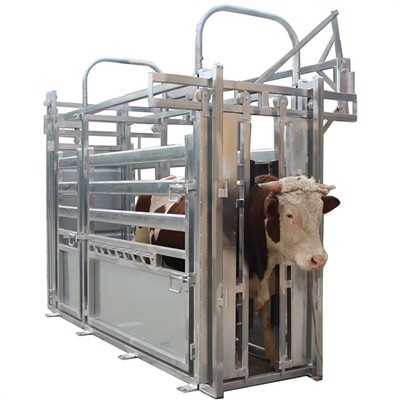
Let’s start with the big names in the dairy world. The Holstein is probably the most well – known breed when it comes to high – volume milk production. These cows are huge! They’ve got that distinctive black and white (or sometimes red and white) pattern that’s easy to recognize. Holsteins are real workhorses in the dairy industry. On average, a Holstein cow can produce around 23,000 pounds of milk per year. That’s a whole lot of milk! They’re also known for having a high butterfat and protein content in their milk, which is great for making cheese, butter, and other dairy products.
But why are they so good at milking? Well, it’s a combination of genetics and breeding. Over the years, farmers have selectively bred Holsteins to maximize their milk – producing capabilities. They’re also pretty adaptable to different climates and management systems. Whether you’re in a cold, northern area or a warmer, southern region, Holsteins can do well as long as you take good care of them.
Next up is the Jersey breed. Now, Jerseys are smaller compared to Holsteins, but don’t let their size fool you. Their milk is super rich. It has a high butterfat and protein content, even higher than that of Holsteins in some cases. A single Jersey cow can produce about 13,000 pounds of milk per year. That might seem like less than a Holstein, but when it comes to making high – quality dairy products like ice cream and gourmet cheeses, Jersey milk is a top choice.
Jerseys are known for being docile and easy to handle. They’re a great option for small – scale dairy farmers or those just starting out in the business. They also need a bit less feed compared to larger breeds, which can save you some money in the long run.
Another breed that’s worth mentioning is the Brown Swiss. These cows have a unique, chocolate – brown color, and they’re pretty big and sturdy. Brown Swiss cows are known for their long productive lives. They can keep producing milk for a long time, often up to 10 lactations. On average, they produce around 18,000 pounds of milk per year.
The milk from Brown Swiss cows has a good balance of butterfat and protein. It’s also known for having a high calcium content, which is great for making strong bones and teeth. And let me tell you, they’re tough cookies. They can handle harsh weather conditions better than some other breeds, which makes them a reliable choice for farmers in areas with extreme climates.
Ayrshire is another breed that has its own set of advantages. Ayrshires are medium – sized cows with a red and white pattern. They’re known for being very efficient milk producers. They can convert feed into milk quite effectively, which means you can get a good return on your investment in terms of feed costs.
On average, an Ayrshire cow can produce about 16,000 pounds of milk per year. Their milk has a good protein – to – fat ratio, which makes it suitable for a wide range of dairy products. Ayrshires are also pretty hardy and can withstand different management styles. They’re not as high – maintenance as some other breeds, which is a plus for busy farmers.
Guernsey cows are also in the mix. They’re similar to Jerseys in some ways. Their milk is golden – yellow in color, which comes from high levels of beta – carotene. This not only gives the milk a nice color but also means it’s packed with antioxidants. A Guernsey cow can produce around 14,000 pounds of milk per year.
Guernsey milk has a high butterfat content, making it ideal for making butter and high – end dairy products. They’re also known for being friendly and easy to manage. They’re a good choice for those who are looking for a breed that’s both productive and easy to work with.
Now, when you’re choosing a breed for milk production, there are a few things you need to consider. First off, your local climate is crucial. Some breeds are better adapted to hot climates, while others do better in cold weather. You also need to think about your farm size and management style. If you have a small farm, a smaller breed like Jersey or Guernsey might be more suitable. If you have a large – scale operation, you might want to go with Holsteins or Brown Swiss.
Feed availability is another important factor. Different breeds have different feed requirements. For example, larger breeds like Holsteins need more feed to maintain their milk production. You need to make sure you can provide the right kind and amount of feed for the breed you choose.
And of course, your market demand matters. If you’re planning to sell your milk to a processor that makes high – end dairy products, a breed with high – quality milk like Jersey or Guernsey would be a good choice. If you’re selling to a large – scale dairy that just needs a high volume of milk, Holsteins might be the way to go.
As a cattle supplier, I’ve seen firsthand how choosing the right breed can make a huge difference in a dairy operation. I’ve helped farmers find the perfect cows for their needs, whether they’re just starting out or looking to expand their herd.
If you’re in the market for dairy cattle and want to learn more about which breed is right for you, don’t hesitate to reach out. I’d be more than happy to have a chat with you, discuss your specific situation, and help you make an informed decision. Whether you need a few cows for a small – scale operation or a large herd for commercial production, I’ve got you covered. Let’s work together to take your dairy business to the next level.
Cattle Stall Dividers References
- "The Dairy Cattle Handbook" by Anonymous Dairy Experts
- "Breeds of Cattle and Their Milk Production Characteristics" by Agricultural Research Publications
Hebei Honde Industrial Trade Imp & Exp Co., Ltd.
Address: Room 1904, Yintai International Building, No.36 Guang’an Street, Shijiazhuang, Hebei, China
E-mail: Helen@hbhonde.com
WebSite: https://www.hondelivestocksupply.com/
