Maintaining air cooled heat exchangers (ACHEs) is crucial for their efficient and reliable operation. As a supplier of ACHEs, I’ve witnessed firsthand how proper maintenance can extend the lifespan of these units, enhance their performance, and reduce operational costs. Air Cooled Heat Exchangers
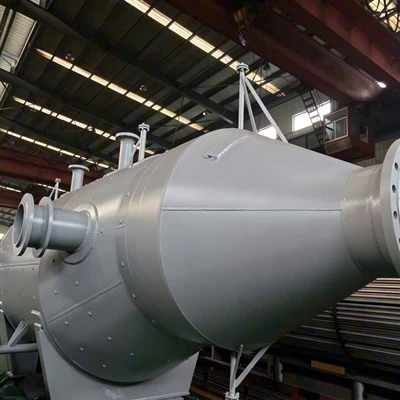
Understanding the Basics of Air Cooled Heat Exchangers
Before delving into maintenance, it’s essential to understand how ACHEs work. These devices transfer heat from a fluid (usually a liquid) to the ambient air. They consist of finned tubes through which the hot fluid flows, and fans that force air over the tubes to cool the fluid. The efficiency of an ACHE depends on several factors, including the design of the finned tubes, the airflow rate, and the cleanliness of the components.
Regular Inspections
Regular inspections are the cornerstone of effective ACHE maintenance. Visual inspections should be conducted at least once a month. During these inspections, check for any signs of physical damage, such as bent or damaged fins, leaks in the tubes, or loose connections. Bent fins can disrupt the airflow, reducing the heat transfer efficiency. You can use a fin comb to straighten minor bends.
Inspect the fans for proper operation. Listen for any unusual noises, as this could indicate a problem with the fan motor or bearings. Check the fan blades for damage or imbalance, which can cause excessive vibration. Also, ensure that the fan guards are in place and secure to prevent any foreign objects from entering the fan assembly.
Cleaning Procedures
Cleaning is one of the most important maintenance tasks for ACHEs. Over time, dirt, dust, debris, and even insects can accumulate on the finned tubes and other components. This buildup acts as an insulator, reducing the heat transfer efficiency.
For light dirt and debris, you can use a high – pressure air compressor to blow the contaminants off the fins. Start from the clean side of the fins and work towards the dirty side to avoid pushing the dirt deeper into the fins. If the contamination is more severe, a water wash may be necessary. Use a low – pressure water spray at an angle of about 45 degrees to the fins to prevent damage.
It’s important to note that the water used for cleaning should be clean and free of contaminants. Hard water can leave mineral deposits on the fins, which can also reduce heat transfer. If possible, use filtered or demineralized water.
In addition to the external cleaning, the interior of the tubes should also be cleaned periodically. Depending on the nature of the fluid flowing through the tubes, different cleaning methods may be required. For example, if the fluid contains scaling agents, chemical cleaning may be necessary. However, chemical cleaning should be done with caution, following the manufacturer’s instructions to avoid damaging the tubes.
Lubrication
Proper lubrication of moving parts is essential for the smooth operation of ACHEs. The fan motors and bearings require regular lubrication to reduce friction and wear. Refer to the manufacturer’s recommendations for the type and frequency of lubrication.
Over – lubrication can be as detrimental as under – lubrication. Too much lubricant can attract dirt and debris, causing blockages and reducing the efficiency of the components. It can also lead to seal failures and other problems. When lubricating the fan motors, use the correct lubricant and the proper amount.
Belt and Coupling Maintenance
If your ACHE has belt – driven fans, the belts need to be inspected regularly for tension and wear. Loose belts can slip, causing a reduction in fan speed and airflow. On the other hand, overly tight belts can put excessive stress on the motor and bearings, leading to premature failure.
Check the belts for signs of cracking, fraying, or glazing. Replace any worn – out belts immediately. Also, ensure that the belt pulleys are properly aligned. Misaligned pulleys can cause uneven wear on the belts and increase the risk of belt failure.
For units with couplings, inspect the couplings for any signs of misalignment, wear, or damage. Coupling misalignment can cause vibration, which can damage other components of the ACHE. If necessary, realign the couplings according to the manufacturer’s specifications.
Monitoring Performance
Continuous monitoring of the ACHE’s performance is an important aspect of maintenance. Keep track of parameters such as the inlet and outlet fluid temperatures, the airflow rate, and the pressure drop across the heat exchanger. Any significant changes in these parameters can indicate a problem.
For example, an increase in the inlet – outlet temperature difference may suggest a reduction in heat transfer efficiency, which could be due to fouling or other issues. A decrease in the airflow rate may be caused by a faulty fan or blockage in the airflow path. By monitoring these parameters regularly, you can detect problems early and take corrective action before they lead to major breakdowns.
Training and Documentation
Proper maintenance of ACHEs requires trained personnel. Ensure that your maintenance staff is well – trained in the operation and maintenance of the specific ACHE models you supply. Provide them with regular training updates to keep them informed about the latest maintenance techniques and best practices.
Documentation is also crucial. Keep a detailed record of all maintenance activities, including inspections, cleaning, lubrication, and repairs. This documentation can help you track the history of the ACHE, identify recurring problems, and plan for future maintenance.
Troubleshooting Common Problems
Even with regular maintenance, ACHEs may encounter problems. Here are some common problems and their possible solutions:
Reduced heat transfer efficiency: This can be caused by fouling of the fins or tubes, low airflow, or a problem with the fluid flow. Check for dirt and debris on the fins and clean them if necessary. Inspect the fans for proper operation and ensure that there are no blockages in the airflow path. Check the fluid flow rate and pressure to make sure they are within the design specifications.
Excessive vibration: Vibration can be caused by misaligned fans, unbalanced fan blades, or loose components. Check the alignment of the fans and belt pulleys. Inspect the fan blades for damage or imbalance and replace any defective blades. Tighten any loose bolts or connections.
Leakage: Leakage can occur in the tubes, joints, or seals. Look for signs of fluid leakage, such as wet spots or stains. If a leak is detected, identify the source of the leak and repair it. This may involve replacing a gasket, welding a leaky tube, or tightening a connection.
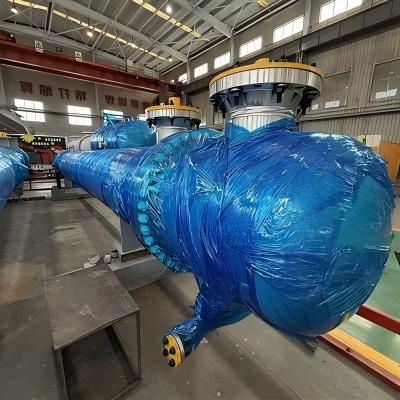
In conclusion, maintaining air cooled heat exchangers is a multi – faceted process that requires regular inspections, cleaning, lubrication, and performance monitoring. By following these maintenance practices, you can ensure the long – term efficiency and reliability of your ACHEs.
Floating Head Heat Exchangers As a trusted supplier of air cooled heat exchangers, we are committed to providing high – quality products and comprehensive support services. Our team of experts can offer in – depth advice on maintenance, troubleshooting, and optimization of your ACHEs. If you are in need of air cooled heat exchangers or have any questions about their maintenance, we encourage you to contact us for a detailed discussion. We look forward to working with you to meet your heat exchange needs.
References
- "Handbook of Heat Exchanger Design" by Chunnan Liu and Jiong Shen.
- "Heat Transfer and Fluid Flow in Minichannels and Microchannels" by Ali Faghri, Yuwen Zhang, and Guo – Lian E.
Shandong Meiling International Trading Co., Ltd.
We are one of the most professional air cooled heat exchangers manufacturers and suppliers in China, featured by quality products and good service. Please feel free to wholesale advanced air cooled heat exchangers made in China here from our factory. Customized orders are welcome.
Address: No. 998 Niushan Road, Linzi District, Zibo City, Shandong Province
E-mail: dingxiaoli@sdmeiling.com.cn
WebSite: https://www.ml-heatexchanger.com/
