Hey there! I’m a supplier of layflat hoses, and over the years, I’ve gotten a ton of questions from customers about these hoses. One question that comes up time and time again is, "What’s the bursting pressure of a layflat hose?" Layflat Hose
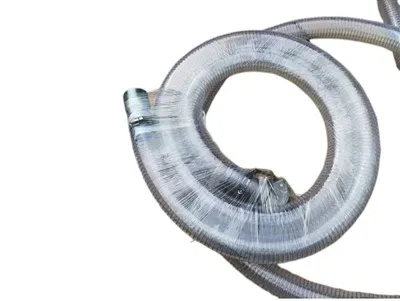
Let’s start by getting a clear understanding of what we mean by "bursting pressure." In simple terms, the bursting pressure of a layflat hose is the maximum pressure the hose can handle before it bursts or fails. It’s a crucial piece of information, especially when you’re using the hose in various applications, because exceeding this pressure can lead to all sorts of problems, from minor leaks to dangerous ruptures.
Now, figuring out the bursting pressure isn’t a one – size – fits – all deal. There are several factors that come into play, and I’ll break them down for you.
The first major factor is the material the hose is made of. Layflat hoses can be crafted from different materials like PVC (polyvinyl chloride), rubber, and other synthetic polymers. Each material has its own properties that affect the bursting pressure. For instance, PVC hoses are generally lightweight and cost – effective. They’re fine for low – pressure applications, but their bursting pressure is usually lower compared to rubber hoses. Rubber hoses, on the other hand, are more durable and can withstand higher pressures. They’re often used in heavy – duty applications like firefighting or industrial water transfer.
Another factor is the thickness of the hose wall. It’s pretty obvious, right? A thicker wall means more material to resist the internal pressure. So, hoses with thicker walls typically have a higher bursting pressure. But there’s a trade – off. Thicker hoses can be heavier and less flexible, which might not be ideal if you need a hose that’s easy to maneuver.
The construction of the hose also matters. Some layflat hoses have a single – layer construction, while others have multiple layers. Multi – layer hoses are generally stronger and can handle more pressure. They often have a reinforcement layer in the middle, like a polyester or nylon mesh. This reinforcement acts like a safety net, providing extra strength and helping to distribute the pressure evenly across the hose.
Let’s talk about how we test the bursting pressure in the real world. At the factory, we put the hoses through a rigorous testing process. We use special equipment that gradually increases the internal pressure of the hose until it bursts. During the test, we carefully monitor the pressure levels and note down the exact point at which the hose fails. This data is then used to determine the rated bursting pressure of the hose.
It’s important to understand that the rated bursting pressure is a theoretical value. In real – life applications, there are other things that can affect how well the hose holds up under pressure. For example, the temperature can have a big impact. High temperatures can make the hose material softer and more prone to failure. So, if you’re using the hose in a hot environment, you might need to be more cautious about not exceeding the pressure limits.
Also, the way you install and use the hose can make a difference. If the hose is kinked or bent too sharply, it can create weak points where the pressure is concentrated. This can lead to premature failure, even if you’re operating well below the rated bursting pressure. So, it’s crucial to install the hose correctly and make sure it’s not being subjected to any unnecessary stress.
Now, you might be wondering how to choose a layflat hose based on the bursting pressure. Well, it all depends on your specific needs. If you’re using the hose for something like watering your garden, a low – pressure PVC hose might be just fine. These hoses usually have a bursting pressure of around 100 – 200 psi (pounds per square inch).
But if you’re in the construction industry and need to transfer water over long distances or at high flow rates, you’ll want a hose with a higher bursting pressure. Industrial – grade rubber hoses can have bursting pressures of 500 psi or more.
As a supplier, I always recommend that customers take the time to assess their requirements carefully. Think about the type of application, the pressure levels you’ll be dealing with, the environmental conditions, and any other factors that might affect the hose’s performance. It’s better to over – estimate your needs a bit and choose a hose with a higher bursting pressure than you think you’ll need. This gives you a safety margin and helps prevent any unexpected failures.
I’ve seen a lot of situations where customers have run into problems because they didn’t pay enough attention to the bursting pressure. One time, a customer bought a low – pressure hose for an industrial application. They thought they could get away with it to save some money. But within a few weeks, the hose burst, causing a big mess and a lot of downtime. It ended up costing them more in the long run to replace the hose and clean up the mess.
So, to sum it up, understanding the bursting pressure of a layflat hose is super important. It’s not just about knowing a number; it’s about making an informed decision when choosing a hose for your specific needs. Whether you’re a homeowner looking for a simple garden hose or an industrial contractor in need of a heavy – duty solution, taking the time to consider the bursting pressure can save you a lot of headaches down the road.
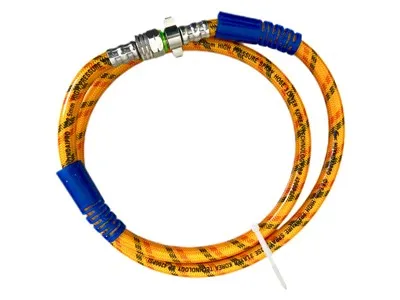
If you’re in the market for a layflat hose, I’m here to help. I’ve got a wide range of hoses with different bursting pressures to suit all sorts of applications. Whether you need a low – pressure PVC hose or a high – pressure rubber one, I can provide you with the right product. Just get in touch, and we can have a chat about your requirements. Let’s work together to find the best layflat hose for you.
Flexible Plastic Pipe References
- "Handbook of Polymer Science and Technology"
- "Industrial Hoses: Design, Selection, and Application"
Weifang Xinzhiyuan Plastic Co., Ltd.
As one of the most experienced layflat hose manufacturers and suppliers in China, we offer a wide range of products with superior quality. Please feel free to wholesale premium layflat hose made in China here from our factory. We also accept customized orders.
Address: No. 700, Tongle Street, Economic Development Zone, Changle County, Weifang City, Shandong Province
E-mail: hua@xzypvchose.com
WebSite: https://www.pvchose-xzy.com/
