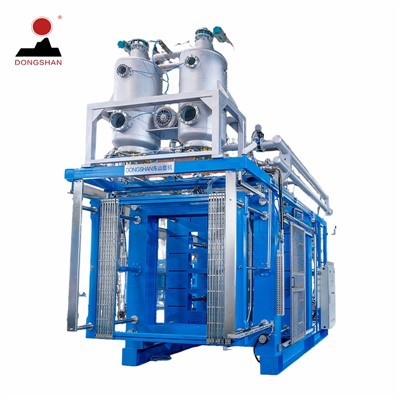
In the dynamic landscape of industrial production, auxiliary equipment plays a pivotal role in enhancing efficiency, improving product quality, and ensuring smooth operations. As a seasoned supplier of auxiliary equipment, I’ve witnessed firsthand the diverse needs and challenges faced by manufacturers across various sectors. One of the most common questions I encounter is about the cost – effectiveness of different auxiliary equipment. In this blog, I’ll delve into this topic, exploring how to evaluate the cost – effectiveness of various types of auxiliary equipment and offering insights to help manufacturers make informed decisions. Auxiliary Equipment
Understanding Cost – Effectiveness
Cost – effectiveness is not simply about finding the cheapest option. Instead, it involves a comprehensive assessment of the total cost of ownership over the equipment’s lifespan, balanced against the benefits it provides. This includes initial purchase price, installation costs, operating costs (such as energy consumption, maintenance, and repairs), and the impact on overall productivity and product quality.
Injection Molding Auxiliary Equipment
Let’s start with injection molding, a widely used manufacturing process in industries such as automotive, electronics, and consumer goods. In injection molding, auxiliary equipment like dryers, chillers, and granulators are essential.
Dryers
Dryers are crucial for removing moisture from plastic resins before molding. Moisture can cause defects in the final product, such as bubbles or surface imperfections. When evaluating the cost – effectiveness of dryers, consider the following factors:
- Initial Cost: There is a wide range of dryers available, from simple desiccant dryers to more advanced dehumidifying dryers. The initial purchase price can vary significantly depending on the capacity, technology, and brand.
- Operating Cost: Energy consumption is a major component of the operating cost. Advanced dryers with energy – saving features can significantly reduce long – term energy costs. Additionally, the cost of desiccant replacement in desiccant dryers should also be considered.
- Productivity Impact: A high – quality dryer can ensure consistent resin drying, which leads to fewer production defects and higher product quality. This can result in increased productivity and reduced waste.
Chillers
Chillers are used to cool the molds and control the temperature during the injection molding process. Temperature control is critical for achieving the desired part dimensions and surface finish.
- Initial Cost: The initial price of chillers depends on their cooling capacity, type (air – cooled or water – cooled), and additional features. Air – cooled chillers are generally less expensive upfront but may have higher operating costs in hot environments.
- Operating Cost: Energy consumption is the main factor in the operating cost of chillers. Water – cooled chillers are more energy – efficient but require a water supply and may have associated water treatment costs.
- Productivity Impact: Proper temperature control can reduce cycle times, improve part quality, and increase the overall efficiency of the injection molding process.
Granulators
Granulators are used to recycle scrap plastic parts and regrind them into reusable granules.
- Initial Cost: The cost of granulators varies based on their size, capacity, and cutting mechanism. Larger granulators with higher throughput capabilities are more expensive.
- Operating Cost: The main operating cost includes electricity consumption and blade replacement. Regular maintenance is also required to ensure optimal performance.
- Productivity Impact: By recycling scrap plastic, granulators can reduce material costs and waste. They also contribute to a more sustainable manufacturing process.
Extrusion Auxiliary Equipment
Extrusion is another important manufacturing process used for producing products such as pipes, profiles, and films. Auxiliary equipment in extrusion includes haul – offs, cutters, and coolers.
Haul – offs
Haul – offs are used to pull the extruded product through the die and downstream equipment at a consistent speed.
- Initial Cost: The price of haul – offs depends on their design, capacity, and the level of automation. Fully automated haul – offs with advanced control systems are more expensive but offer greater precision and efficiency.
- Operating Cost: Electrical consumption and maintenance costs are the main components of the operating cost. Well – maintained haul – offs with quality components can have lower long – term operating costs.
- Productivity Impact: A reliable haul – off can ensure a stable extrusion process, reducing the chance of product defects and allowing for higher production speeds.
Cutters
Cutters are used to cut the extruded product to the desired length.
- Initial Cost: There are different types of cutters available, such as guillotine cutters and rotary cutters. The initial cost is influenced by the cutting speed, accuracy, and material compatibility.
- Operating Cost: Blade replacement and energy consumption are the key operating costs. Some high – end cutters may have lower blade wear rates, reducing the frequency of replacements.
- Productivity Impact: A high – speed and accurate cutter can increase the production rate and improve the consistency of the final product.
Coolers
Coolers are used to rapidly cool the extruded product to solidify it.
- Initial Cost: The cost of coolers depends on their cooling capacity and type (water – cooled or air – cooled). Water – cooled coolers are more powerful but may require additional infrastructure.
- Operating Cost: Energy and water consumption (for water – cooled coolers) are the main operating costs. Efficient coolers can help reduce these costs.
- Productivity Impact: Effective cooling can reduce the product’s holding time, enabling faster production cycles and increased throughput.
Packaging Auxiliary Equipment
In the packaging industry, auxiliary equipment like labeling machines, shrink tunnels, and conveyors are commonly used.
Labeling Machines
Labeling machines are used to apply labels to products or packaging.
- Initial Cost: The price of labeling machines varies based on the type (wrap – around, front – back, etc.), speed, and labeling accuracy. High – speed and high – precision labeling machines are more expensive.
- Operating Cost: The main operating costs include label material, electricity, and maintenance. Some labeling machines may be more efficient in terms of label usage, reducing material costs.
- Productivity Impact: A high – performance labeling machine can increase the packaging speed and improve the appearance of products, enhancing brand image.
Shrink Tunnels
Shrink tunnels are used to shrink plastic films around products for packaging.
- Initial Cost: The cost is determined by the size, heating technology (hot air or infrared), and conveyor speed. Infrared shrink tunnels are generally more expensive but offer faster heating and greater energy efficiency.
- Operating Cost: Energy consumption is the major operating cost. Energy – efficient shrink tunnels can significantly reduce long – term energy expenses.
- Productivity Impact: A well – designed shrink tunnel can ensure a uniform and tight shrink, improving the packaging quality and production speed.
Conveyors
Conveyors are used to transport products between different stages of the packaging process.
- Initial Cost: The cost of conveyors depends on their length, width, type (belt, roller, etc.), and load capacity. More complex conveyor systems with multiple zones and automation features are more expensive.
- Operating Cost: Electrical consumption and maintenance are the main operating costs. Properly maintained conveyors can have a long lifespan and lower operating costs.
- Productivity Impact: An efficient conveyor system can streamline the packaging process, reduce manual handling, and increase overall productivity.
Making the Right Choice
When choosing auxiliary equipment, manufacturers should consider the specific requirements of their production processes. Here are some tips to help make a cost – effective decision:
- Define Your Needs: Clearly understand your production volume, product specifications, and quality requirements. This will help you narrow down the options and select equipment that is best suited for your operations.
- Compare Total Cost of Ownership: Don’t just focus on the initial purchase price. Calculate the total cost of ownership over the equipment’s lifespan, including operating costs and potential productivity gains.
- Consider Long – Term Benefits: Look for equipment that can provide long – term benefits, such as energy efficiency, reliability, and ease of maintenance. These factors can have a significant impact on the overall cost – effectiveness.
- Seek Expert Advice: As an experienced auxiliary equipment supplier, I can offer valuable insights and recommendations based on your specific needs. Don’t hesitate to reach out for professional guidance.
Conclusion
In conclusion, the cost – effectiveness of different auxiliary equipment depends on a variety of factors, including initial cost, operating cost, and productivity impact. By carefully evaluating these factors and making informed decisions, manufacturers can select the most suitable auxiliary equipment for their production processes. This not only helps to reduce costs but also improves product quality and overall productivity.
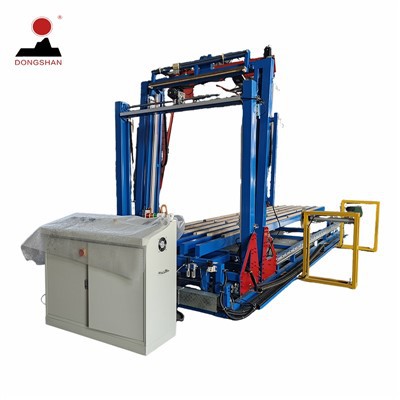
EPS Block Molding Machine If you’re looking to enhance your production efficiency and are in the market for high – quality auxiliary equipment, I’d be more than happy to assist you. Whether you need advice on equipment selection, a detailed cost – effectiveness analysis, or a customized solution, I’m here to help. Let’s start a conversation about how we can work together to meet your manufacturing needs.
References
- "Handbook of Plastic Materials and Technology" by Irwin I. Rubin
- "Injection Molding Handbook" by Dominik Johannaber
- "Extrusion: The Definitive Processing Guide and Handbook" by Christopher Rauwendaal
Hangzhou Fuyang Dongshan Plastic Machinery Co., Ltd.
Hangzhou Fuyang Dongshan Plastic Machinery Co., Ltd. is one of the most professional auxiliary equipment manufacturers and suppliers in China, featured by quality products and low price. Please feel free to wholesale advanced auxiliary equipment made in China here and get quotation from our factory. Customized orders are welcome.
Address: 101 Guanting, Baiqian Villige, Luzhu Town, Fuyang District, Hangzhou City, Zhejiang Province, China
E-mail: xu@dong-shan.cn
WebSite: https://www.epseppmachinery.com/
