Can surface cleaner remove grease? Surface Cleaner
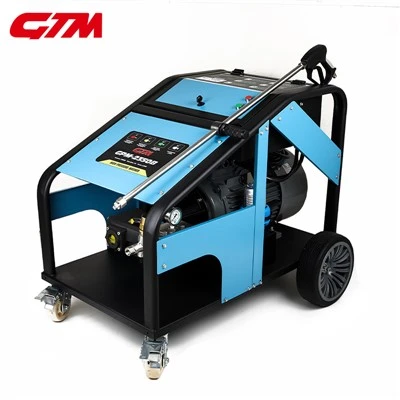
As a supplier of surface cleaners, this is a question I get asked time and time again. It’s a valid concern, as grease can be one of the toughest stains to remove. Grease is a complex mixture of fats, oils, and other organic compounds that can stick stubbornly to surfaces, leaving behind unsightly marks and a sticky residue. Whether it’s in a kitchen, a garage, or an industrial setting, getting rid of grease is often a top priority. So, let’s dig into the science behind surface cleaners and their effectiveness against grease.
How Grease Works
To understand how surface cleaners combat grease, let’s first understand the nature of grease itself. Grease is hydrophobic, which means it does not mix with water. When grease comes into contact with a surface, it forms a thin layer that adheres tightly. This can be due to the intermolecular forces between the grease molecules and the surface material. For example, in a kitchen, grease from cooking oil, animal fats, and fried foods can splash onto countertops, stovetops, and backsplashes. Over time, if not properly cleaned, this grease can build up, attracting dirt and bacteria and potentially causing a fire hazard in severe cases.
The Science of Surface Cleaners
Surface cleaners are formulated to break down and remove a variety of stains, including grease. They work based on the principles of chemistry, primarily through the use of surfactants. Surfactants, short for surface – active agents, are the key ingredients in most cleaning products.
Surfactants have a unique molecular structure. One end of the surfactant molecule is hydrophilic (water – loving), and the other end is hydrophobic (oil – loving). When a surface cleaner containing surfactants is applied to a greasy surface, the hydrophobic ends of the surfactant molecules attach to the grease, while the hydrophilic ends remain in the water phase. This forms structures called micelles. Micelles are tiny spherical aggregates where the grease is trapped in the center, surrounded by the hydrophobic tails of the surfactant molecules, and the hydrophilic heads are facing outwards towards the water. Once the grease is encapsulated in micelles, it can be easily rinsed away with water.
Types of Surface Cleaners for Grease Removal
There are several types of surface cleaners available on the market, each with its own strengths and weaknesses when it comes to grease removal.
All – Purpose Cleaners
All – purpose cleaners are a common choice for general cleaning tasks around the house. They are designed to clean a variety of surfaces and stains, including light to moderate grease. These cleaners typically contain a balanced mix of surfactants, solvents, and water. They are convenient and can be used on countertops, floors, and walls. However, they may not be as effective on heavy – duty grease stains.
Degreasers
Degreasers are specialized cleaners formulated specifically to tackle tough grease and oil stains. They contain more concentrated amounts of surfactants and solvents, which are able to break down and dissolve grease more effectively. Degreasers are commonly used in industrial settings, such as automotive workshops and restaurants. They can also be used in the home for deep – cleaning kitchen appliances, like ovens and stoves.
Solvent – Based Cleaners
Solvent – based cleaners use organic solvents to dissolve grease. These solvents have strong dissolving power and can quickly break down and remove stubborn grease stains. However, they can be hazardous to use, as they are often flammable and may release harmful fumes. Therefore, they should be used with caution and in well – ventilated areas.
Factors Affecting Grease Removal
While surface cleaners are designed to remove grease, several factors can affect their effectiveness.
Surface Material
The type of surface the grease is on can impact the cleaning process. Some surfaces, such as stainless steel and ceramic, are relatively non – porous and can be easily cleaned with most surface cleaners. However, porous surfaces like wood and stone can absorb grease, making it more difficult to remove. In some cases, a more aggressive cleaner or a specialized cleaning technique may be required.
Age of the Grease Stain
Fresh grease stains are generally easier to remove than old, dried – on grease. Over time, grease can oxidize and harden, forming a more stubborn bond with the surface. The longer the grease has been on the surface, the more difficult it will be to break down and remove.
Cleaner Concentration and Application Method
The concentration of the cleaner and how it is applied also play a role in grease removal. Using a higher – concentration cleaner may be more effective for tough stains, but it also needs to be used carefully to avoid damaging the surface. The application method, such as spraying, soaking, or scrubbing, can also affect the cleaning results. For example, soaking a greasy item in a degreaser solution can allow the cleaner more time to penetrate and break down the grease.
Our Surface Cleaners and Grease Removal
At our company, we have developed a range of surface cleaners that are specifically formulated to tackle grease. Our all – purpose cleaner is perfect for daily cleaning in the home. It contains a blend of gentle but effective surfactants that can remove light to moderate grease stains from a variety of surfaces without causing damage.
For heavy – duty grease removal, we offer a powerful degreaser. This degreaser is suitable for both industrial and home use. It has a high concentration of surfactants and solvents that can quickly break down and dissolve even the toughest grease stains. Our degreaser is also designed to be safe for use on most common surfaces, as long as it is used according to the instructions.
We understand the importance of providing effective and safe cleaning solutions. That’s why all our products are rigorously tested to ensure their performance and safety. Whether you’re a homeowner looking to keep your kitchen clean or an industrial operator needing to maintain a grease – free workspace, our surface cleaners are up to the task.
Conclusion
In conclusion, surface cleaners can indeed remove grease, thanks to the scientific principles behind their formulation. By understanding the nature of grease and the working mechanism of surface cleaners, we can choose the most appropriate product for the job. However, it’s important to consider factors such as surface material, the age of the stain, and the application method to achieve the best results.
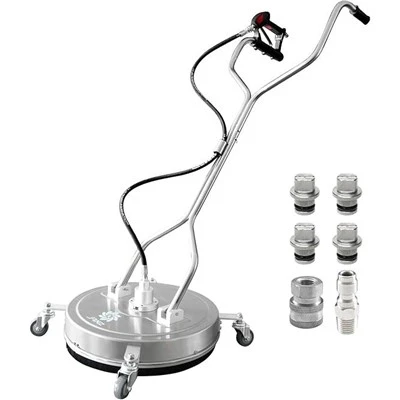
If you’re struggling with grease stains and are in the market for a reliable surface cleaner, don’t hesitate to reach out. We are more than happy to discuss your specific needs and provide you with the right cleaning solution. Contact us today to start a conversation about your surface – cleaning requirements and let us help you keep your spaces clean and grease – free.
High Pressure Washer Accessories References
- "Cleaning Science: The Chemistry of Cleaning" by the American Cleaning Institute
- "Surfactant Science and Technology" by Milton J. Rosen and Dennis L. Kunjappu
Zhejiang GTM Hi-Tech Intelligent Equipment Co., Ltd.
We are one of the most experienced surface cleaner manufacturers and suppliers in China, also support customized service. Please feel free to buy discount surface cleaner for sale here from our factory. Quality products and reasonable price are available.
Address: No.5 of Changjiang Road, 2nd Economic Development Zone of Wenling, Zhejiang, China
E-mail: yehuanting1@hongyemfg.com
WebSite: https://www.gtmplungerpump.com/
