Hey there! If you’re a new parent, or even a parent of three like me, you know how chaotic nursery prep can get. You’re scrolling through baby furniture at 2 a.m. (don’t judge—newborn sleep schedules do that to you), trying to pick a crib that’ll grow with your kid, a dresser that fits that tiny nursery corner, and a glider that doesn’t hurt your back during middle-of-the-night feedings. But here’s the thing: once you finally click “add to cart” and that box shows up at your door, what if it’s not right? Maybe the crib’s missing a part, the color looks different IRL, or you realized your nursery’s way smaller than you thought. That’s where return policies for baby furniture come in—and as someone who’s been in the baby furniture supplier game for years, I know how tricky they can be to navigate, both for you and for us folks on the brand side. Baby Furniture

First off, let’s talk about why baby furniture return policies aren’t just the same as returning a hoodie from a fast fashion site. This stuff is big—literally. A full-size crib? That’s 50+ pounds of wood, metal, and hardware. A changing table with a built-in dresser? Even heavier. Shipping it back isn’t just dropping a package at the post office; it’s booking a freight truck, wrapping it to avoid damage, and dealing with the hassle that comes with oversized items. That’s why most baby furniture return policies have specific rules you won’t find for a smaller item, and why we as suppliers have to balance being customer-friendly with keeping our business afloat (so we can keep making stuff that actually works for parents).
Let’s start with the basics: what’s the standard timeline you can expect? I’ve seen everything from 15 days to 90 days, but here’s the tea—most reputable suppliers land around 30 days for returns. Wait, why 30? Because new parents often take a minute to set up the furniture, right? You might order a crib when your baby’s still cooking, and not get around to assembling it until they’re 2 weeks old. We get that! But we also can’t leave returns open forever, because used baby furniture (even if it’s only assembled once) can’t be resold as new. Some suppliers do offer extended timelines if you have a good reason—like if you order a convertible crib and decide you don’t need the toddler conversion kit right away, or if you had a last-minute nursery remodel that changed your layout. Just ask—we’re not here to say no for the sake of it.
Now, let’s break down the fine print, because that’s where a lot of parents get frustrated. First up: condition. We can’t take back furniture that’s been used, scratched, or assembled, right? Wait, no—wait, if the furniture is defective (like a wobbly crib, a missing screw, or a paint chip that was there when it left our warehouse), we’ll take it back even if you set it up. Defects are a whole different story. We’ll even cover the return shipping in that case—no extra cost for you. But if you ordered the wrong color, or you changed your mind, or you measured wrong and it doesn’t fit, you’re responsible for return shipping. That makes sense, right? Because we didn’t make a mistake—you did, and shipping a 50-pound item back is expensive. Most suppliers charge a restocking fee for those “change of mind” returns, usually around 10-15% of the total cost. It’s not to nickel-and-dime you—again, it’s to cover the cost of taking the item back, inspecting it, and getting it ready to resell. If we can’t resell it as new, that fee helps offset the loss.
Wait, what about custom or special-order items? That’s another big one. A lot of parents want a nursery that matches their home, so we do custom finishes—like a soft gray instead of white, or a specific wood stain. Those are made to order, and we can’t just resell them to another parent if you change your mind. So custom items are usually final sale, no returns. Same goes for clearance items. If you pick up a crib from our end-of-season sale, that’s marked down because it’s last year’s model, and we can’t take it back. That’s a standard rule across retail, but it’s extra important for baby furniture because clearance stock is limited.
Now, let’s talk about some common mistakes parents make that mess up their return. First, not saving the original packaging. I can’t tell you how many times a parent calls us saying they need to return a crib, and they threw the big box away because it was taking up space. Baby furniture packaging isn’t like a shirt box—it’s custom, made to protect the wood and parts during shipping. Without it, we can’t take it back, because it’ll get damaged in transit to our warehouse. Some suppliers will let you use a generic moving box, but that’s a huge exception, not the rule. Second, not checking for defects immediately. If you open the box and see a missing slat on the crib, or a broken drawer, you need to contact us within 3-5 days of delivery. If you wait two weeks and say “oh, I just noticed this,” it’s way harder to prove the defect wasn’t from you assembling it wrong. Third, assembling it before checking if it works. If you put the crib together and then realize it’s way too big for your nursery, that’s a change of mind, not a defect. We can’t take it back unless it’s still unassembled and in the original packaging.
Wait, but what about that gray area? Like, if your baby outgrows the furniture way before you thought? We get that! A lot of our baby furniture is convertible, right? Cribs turn into toddler beds, which turn into daybeds, which turn into full-size beds. Dressers add on changing tops when your baby is tiny, then remove them when they’re older. If you don’t want the toddler conversion kit, or the changing top, can you return that? Usually, yes—those are separate accessories, not part of the main furniture. Just make sure to contact us before you assemble it, so we can send a label or work out the details. We’re all about making stuff that works for your family’s timeline, not just a 0-12 month window.
Now, as a supplier, let me be real with you: we’ve had our share of returns gone wrong. Like, a parent who assembled a crib, let their toddler jump on it, then tried to return it saying it was defective. That’s not cool, and it takes time and money away from us that we could use to make better, safer furniture. But we’ve also had so many customers who had a real issue—like a broken glider that took us three weeks to notice, or a dresser that arrived with a scratch from the shipping carrier—and we made it right. That’s why we try to keep our policy as flexible as possible, but there are limits.
So, what should you do if you need to return baby furniture? First, check the policy on the supplier’s website before you buy. I know, I know—you’re scrolling fast, but take 2 minutes to look under “shipping & returns.” It’ll tell you the timeline, who pays for shipping, what’s final sale, and how to initiate a return. Second, save all the packaging, even if you don’t think you’ll need it. We know it’s bulky, but it’s worth keeping in a garage or attic for a month or two. Third, contact customer service right away if something’s wrong. Don’t wait—we can help way faster if you reach out within the return window, not when it’s 2 months later and you’ve already thrown the box away.
Now, I’m not here to just list rules—let’s talk about what makes a good baby furniture return policy. For parents, it’s about transparency: no hidden fees, clear timelines, and clear info on what’s returnable. For suppliers, it’s about being fair—we don’t want to make parents jump through hoops to get a return, but we also can’t lose money on every return. That balance is key. At the end of the day, baby furniture is a big investment, and you want to feel confident that if it’s not right, you can fix it.
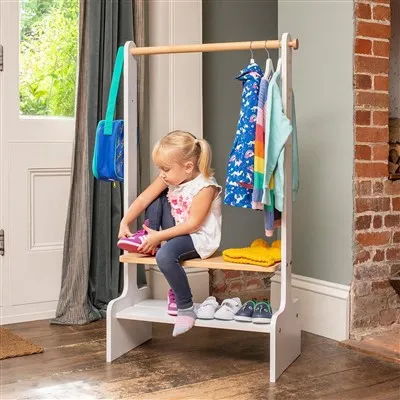
If you’re shopping for baby furniture and have questions about our return policy, or if you’re ready to talk through what your nursery needs, don’t hesitate to reach out. We’re here to help, whether you’re picking a first crib or upgrading to something that’ll grow with your kid for years. Don’t stress about the logistics—just focus on making your baby’s space feel cozy and safe, and we’ll handle the rest.
Baby Furniture References:
- Juvenile Products Manufacturers Association (JPMA). (2023). Safety and Return Guidelines for Baby Furniture.
- U.S. Consumer Product Safety Commission (CPSC). (2022.11). Return Policies for Oversized Consumer Goods, Including Baby Furniture.
- Small Business Administration (SBA). (2023). Retail Best Practices for Handling Baby Furniture Returns and Restocking.
- American Nursery Products Association (ANPA). (2024). Consumer Guide to Baby Furniture Return Policies.
Zhejiang Hanhao Industrial Co., Ltd.
Zhejiang Hanhao Industrial Co., Ltd. is one of the most experienced baby furniture manufacturers and suppliers in China, featured by quality products and good price. Please rest assured to buy durable baby furniture made in China here from our factory. Also, custom service is available.
Address: No. 1, East Road, Qixing Street, Nanhu District, Jiaxing City, Zhejiang Province, China
E-mail: admin@hanhaofurniture.com
WebSite: https://www.hanhao-furniture.com/
